We are processing your request.
Please, don’t close or refresh the page.
Atlanta Tickets Zoo Atlanta Willie B Gorilla
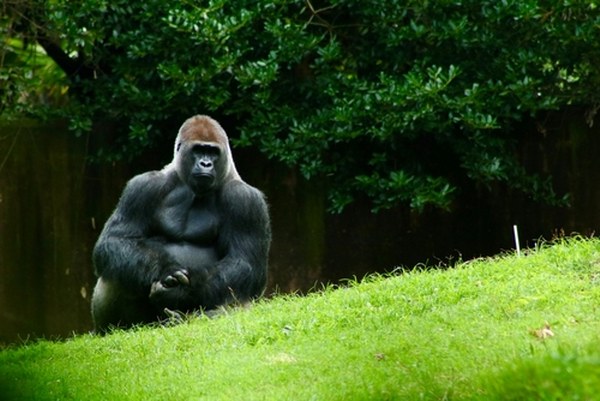
A western lowland gorilla in its habitat at Zoo Atlanta

Willie B., the Gorilla Who Changed Zoo Atlanta

He spent 27 years alone behind glass, then stepped onto grass in front of thousands of people. Atlanta's most famous gorilla is the reason the zoo looks the way it does.

What Made Willie B. Different

He was captured as an infant in Cameroon in 1960 by an animal dealer and reached Atlanta the following year.

He was named after former Atlanta mayor William Berry Hartsfield, the man the airport is also named for.

He spent 27 years in an indoor enclosure with a television and a tire swing for company.

His television was stolen in 1979, just before the NFL playoffs.

In 1984 a national magazine ranked the Atlanta zoo among the ten worst in the country.

Nearly 25,000 people came to watch him step outdoors on May 13, 1988.

He fathered five offspring, and his son and grandson both carry his name.

A life-size bronze statue of him stands outside the gorilla habitat.

Twenty-Seven Years Behind Glass

Grounds of Zoo Atlanta in historic Grant Park

Willie B. was a western lowland gorilla, born around 1958 and captured in Cameroon in 1960 by an animal dealer. He arrived in Atlanta as a baby in 1961 and was named for William Berry Hartsfield, the long-serving mayor. For the next 27 years he lived alone in a glass-fronted indoor cage, with a television and a tire swing to pass the time. As an adult he weighed about 450 pounds, a very large animal in a very small space, and Atlantans came to visit him almost as they would a neighbor.

He was popular, but his situation said a lot about the zoo around him. The zoo itself was old: it dates to 1889, when businessman George V. Gress bought a bankrupt circus and gave its animals, including four lions and a hyena, to the city. By the early 1980s the city-run zoo in Grant Park was known for cramped cages with little shade, and in 1984 Parade magazine named it one of the ten worst zoos in the nation. Its national accreditation was suspended, and the U.S. Department of Agriculture opened an investigation. Other stories from the same period fed the outrage, including the death of Twinkles, an elderly elephant sold to a traveling circus, and reports that surplus animals from the children's zoo had been sold to employees. That summer a Fulton County grand jury recommended a new authority take over.

The scandal forced a reset. Georgia Tech primatologist Terry Maple, who had publicly called the zoo a disgrace, was put in charge. In 1985 a public-private partnership took over and the zoo was renamed Zoo Atlanta. Maple hired its first full-time veterinarian and raised money for new habitats, and the gorillas, led by the city's most famous resident, were at the top of the list. It was the moment Willie B. stopped being a symbol of what was wrong with the zoo and started becoming a symbol of what it could be. The turnaround was quick. Within a few years the new Zoo Atlanta had raised money, grown its attendance and memberships and attracted corporate donors, and a zoo once called a national embarrassment came to be seen as one of the best small zoos in the country.

Grass Underfoot

A keeper program at Zoo Atlanta

The Ford African Rain Forest opened in 1988 and replaced Willie B.'s old enclosure. On May 13, 1988, nearly 25,000 people gathered to watch him leave the building. It was the first time he had been outdoors since 1961, and accounts describe him testing the grass with some hesitation before he walked out. The Atlanta History Center keeps a set of his footprints, made around 1987, among the 50 objects it uses to tell the city's story.

He adapted quickly. Willie B. became the leader of a troop and went on to father five offspring: Kudzoo, Olympia, Sukari, Lulu and a son first called Kidogo, later renamed Willie B. Jr. For a gorilla who had spent most of his life without another of his kind, it was a remarkable second act, coming after almost three decades on his own. Visitors who had known him for decades as a solitary figure behind glass now watched him with a family around him, and that is the image most Atlantans kept. It also changed the conversation about gorillas in zoos: a large male who had lived alone for most of his life had shown he could still lead a group and raise young.

He died on February 2, 2000, of pneumonia and heart disease, at about 42. Thousands of people came to his memorial, where former mayor Andrew Young gave the eulogy. Most of his cremated remains were placed inside the bronze statue by artist Ed Bogucki that now stands by the gorillas, and the rest were taken back to Africa. The statue and the gorilla habitats are a few steps apart, so the story and the animals it led to sit side by side. Allow a few quiet minutes there; it is one of the few places in the zoo that is about a single animal rather than a species.

Zoo Atlanta Admission

Highlights

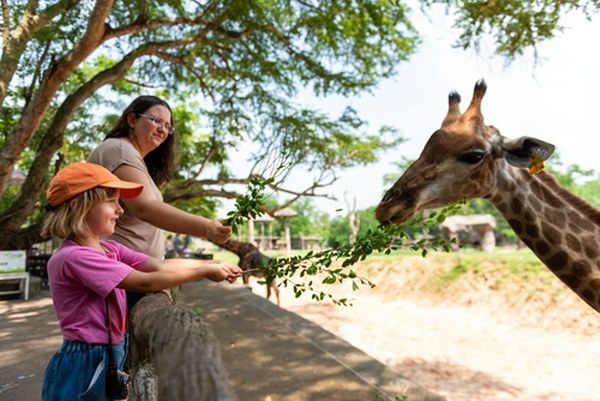
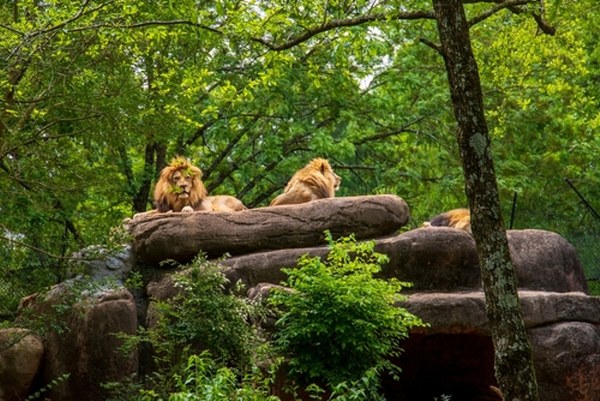
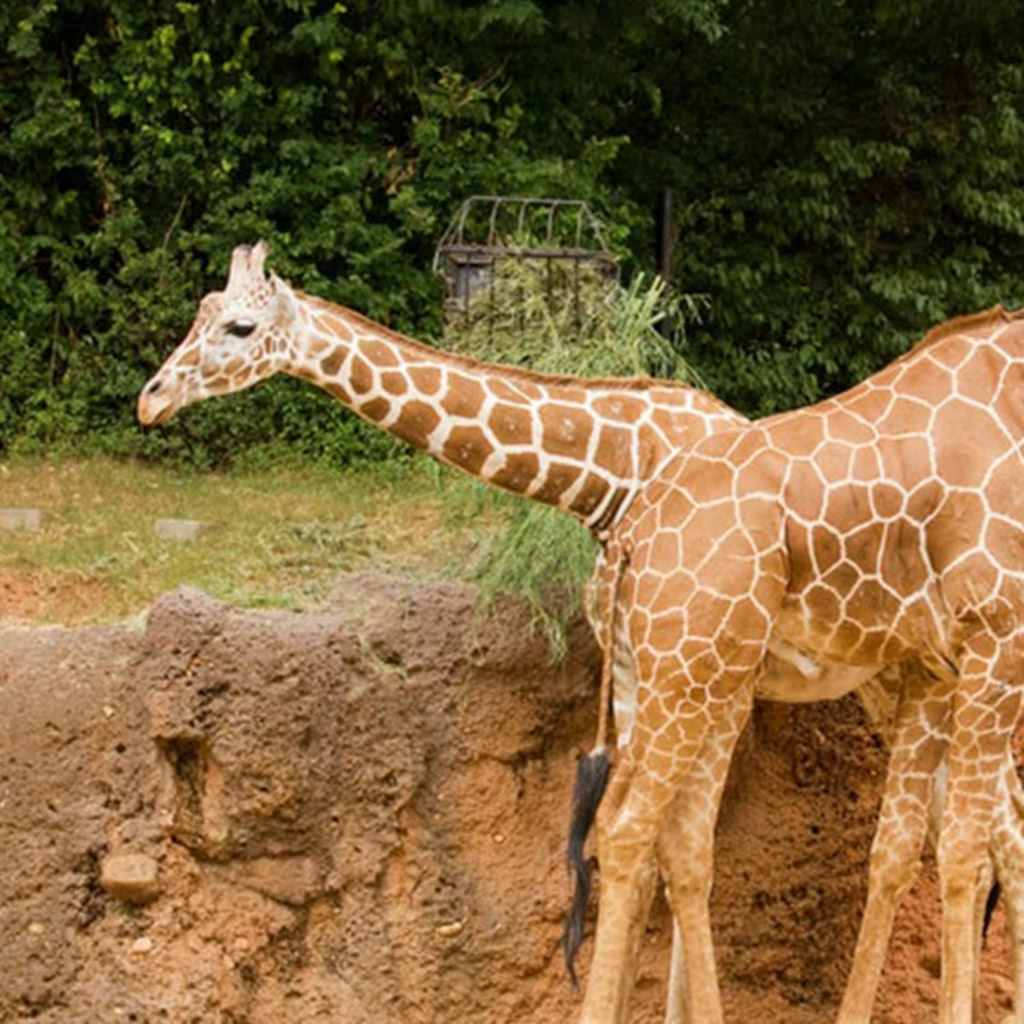
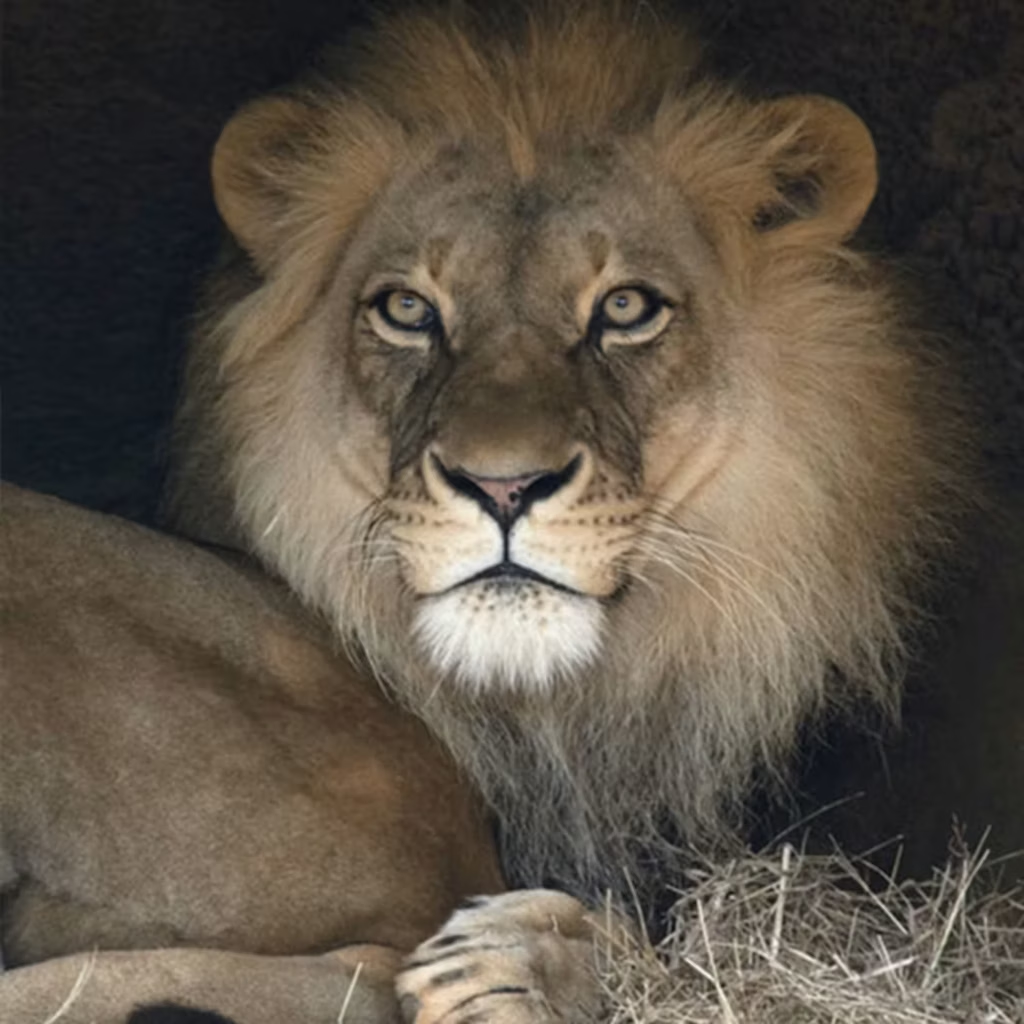
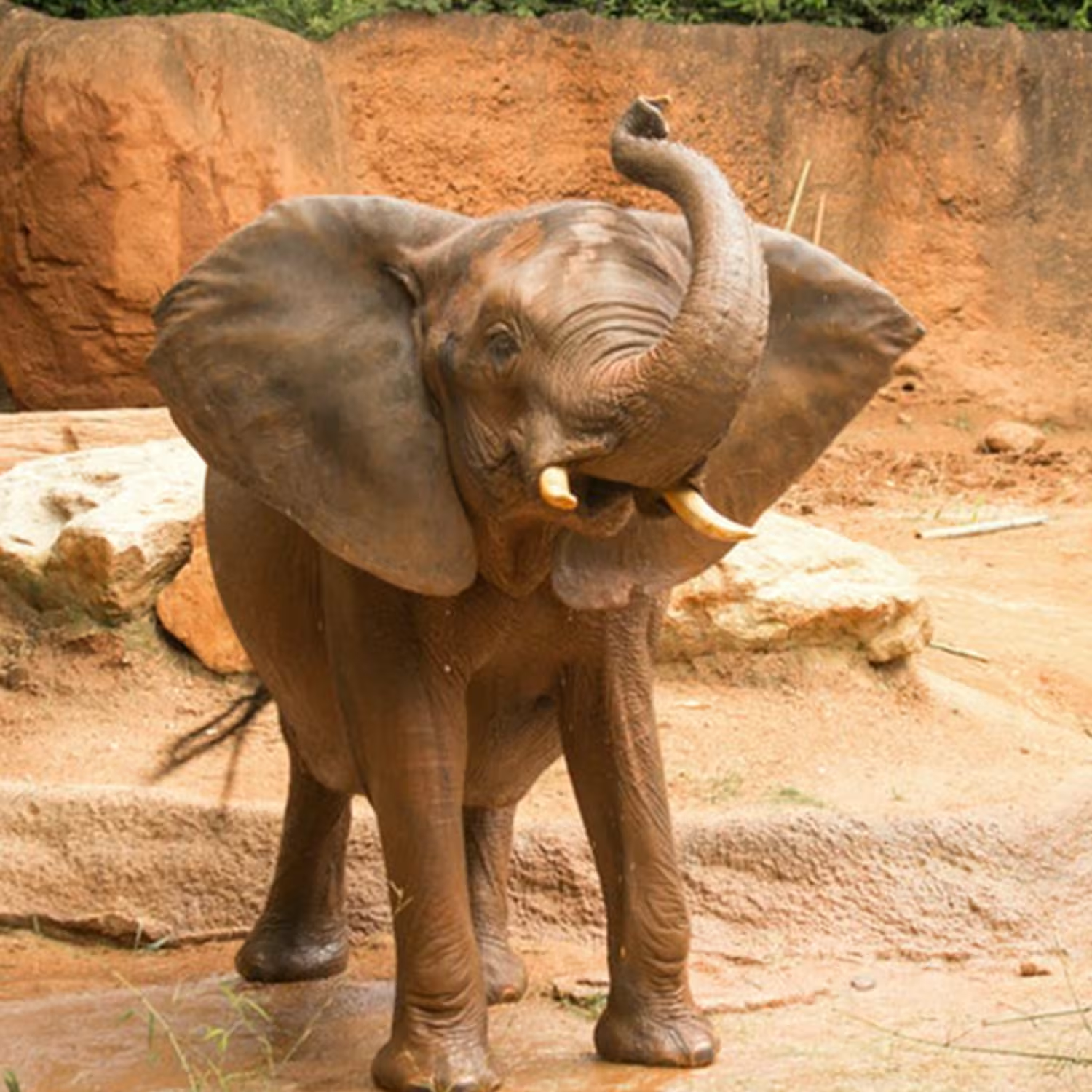
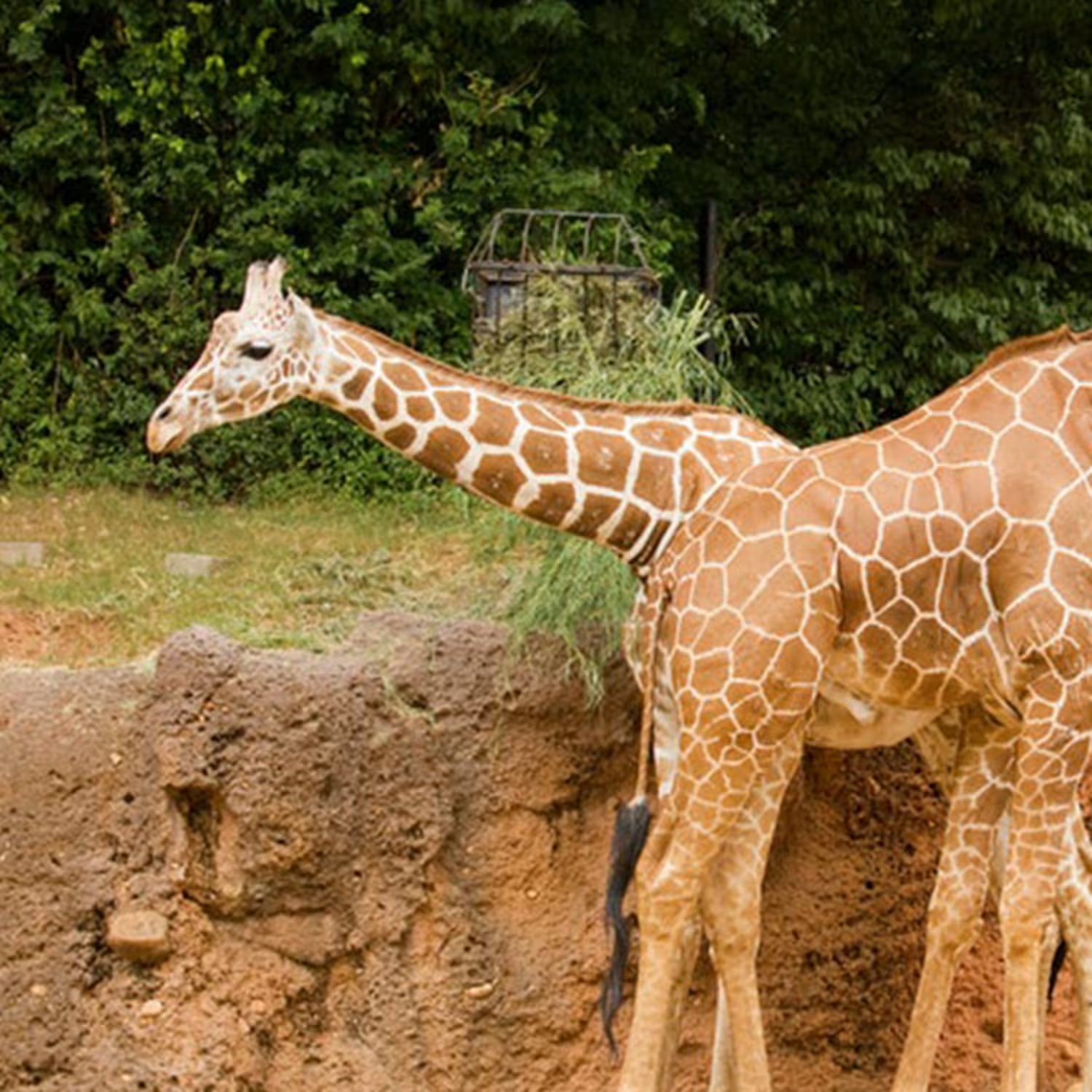
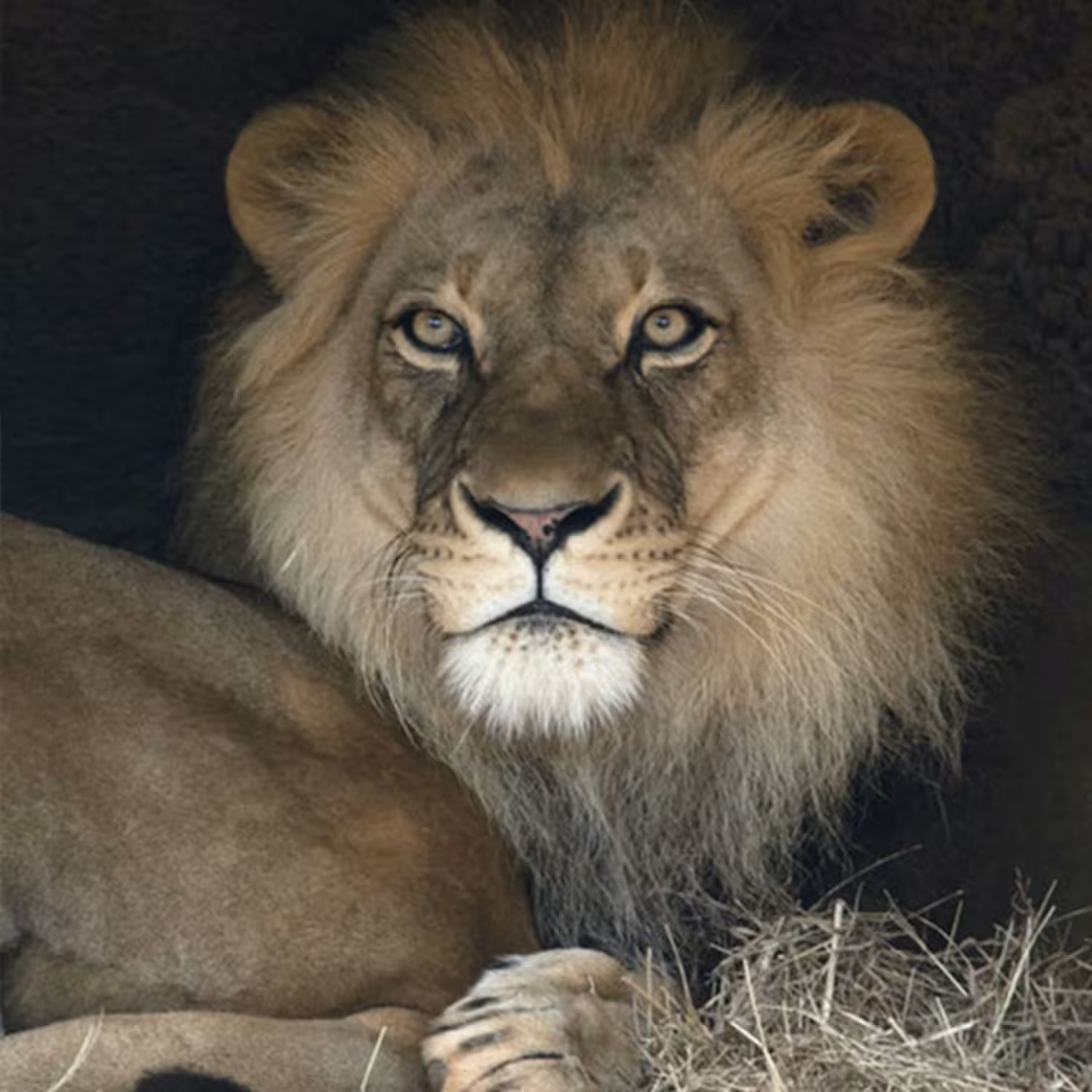
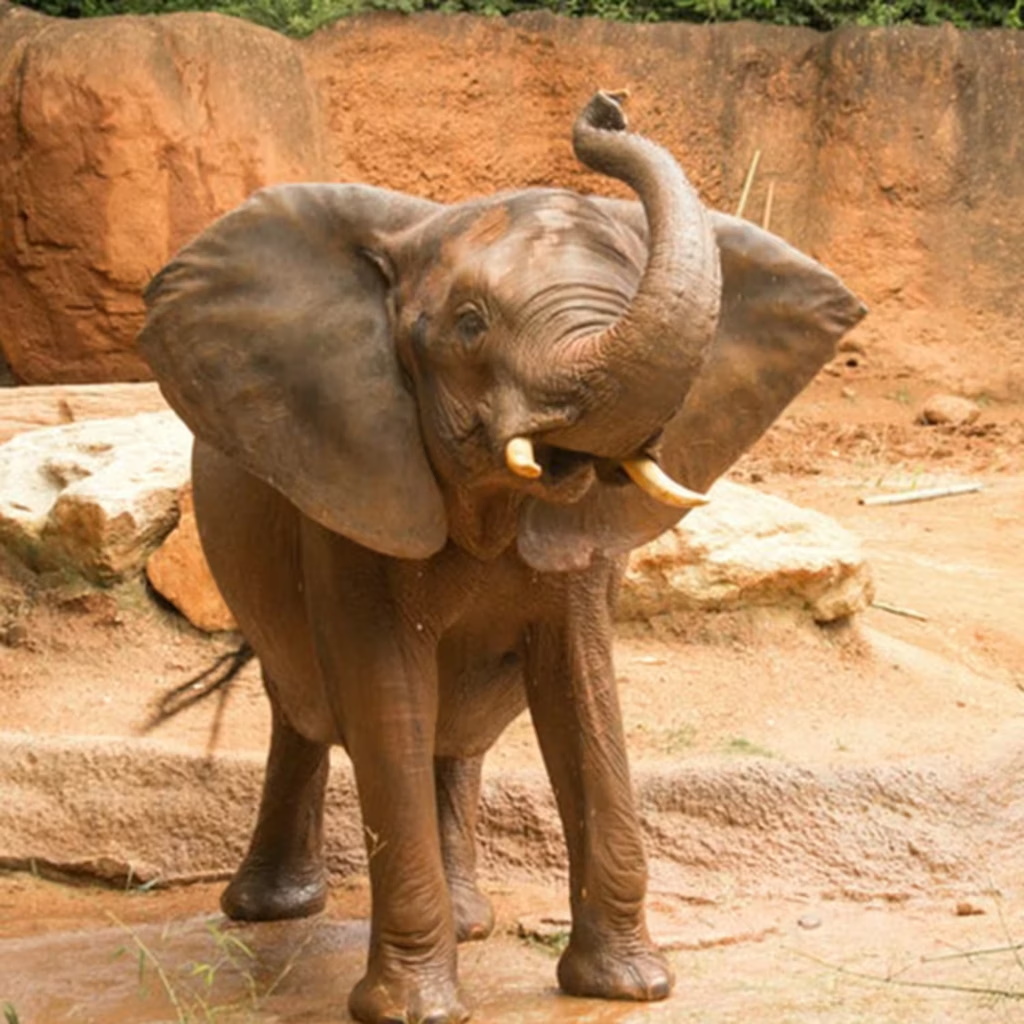
Visit elephants, giraffes, rhinos and lions in the zoo’s African Savanna area.

See one of North America’s largest groups of gorillas and orangutans.

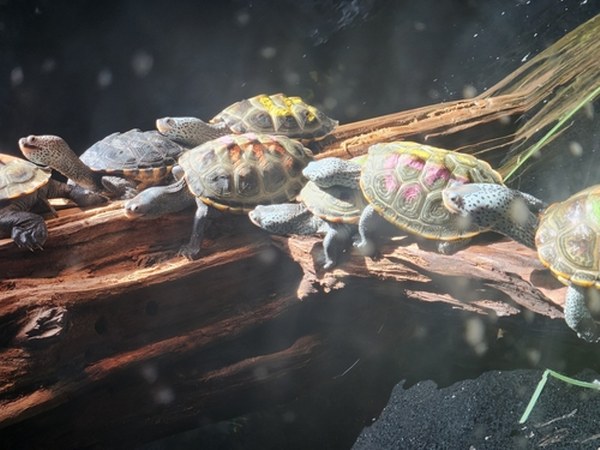
Explore Scaly Slimy Spectacular, an indoor space dedicated to reptiles and amphibians.

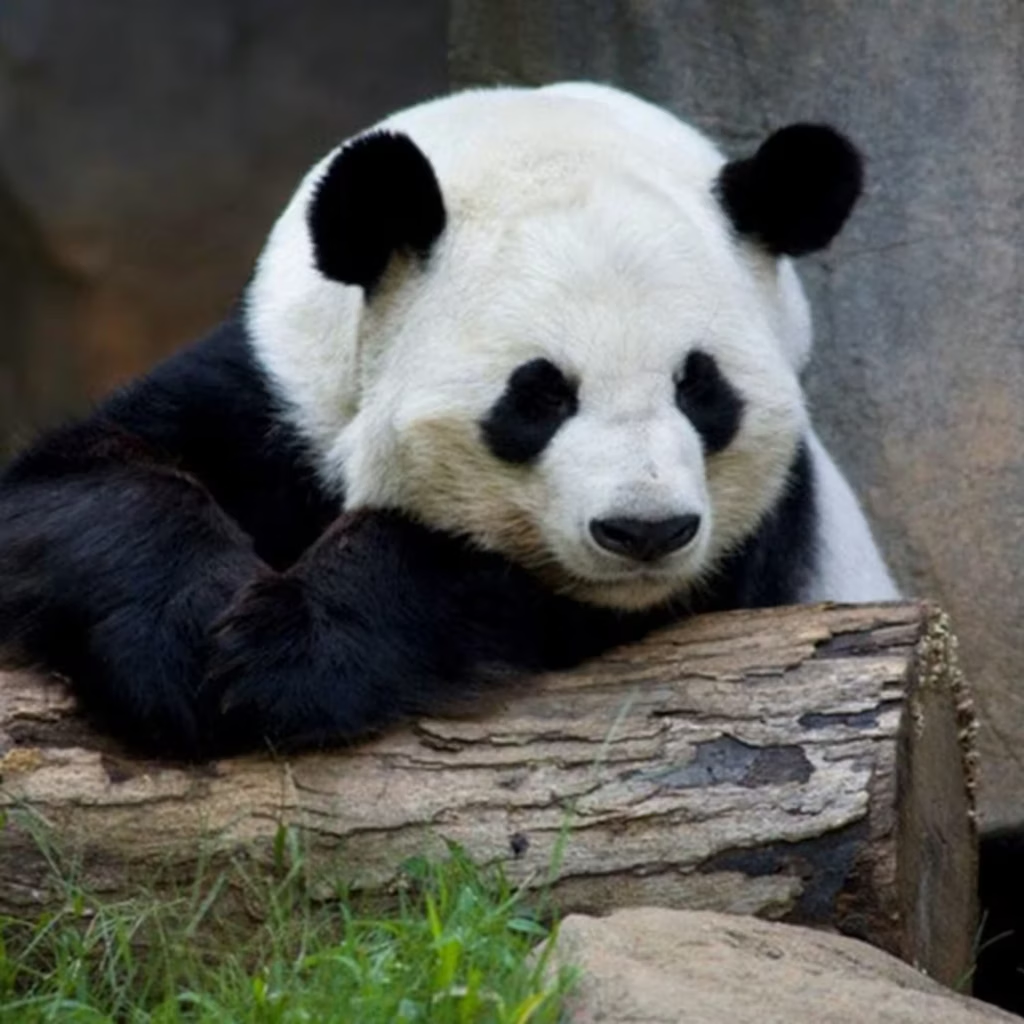
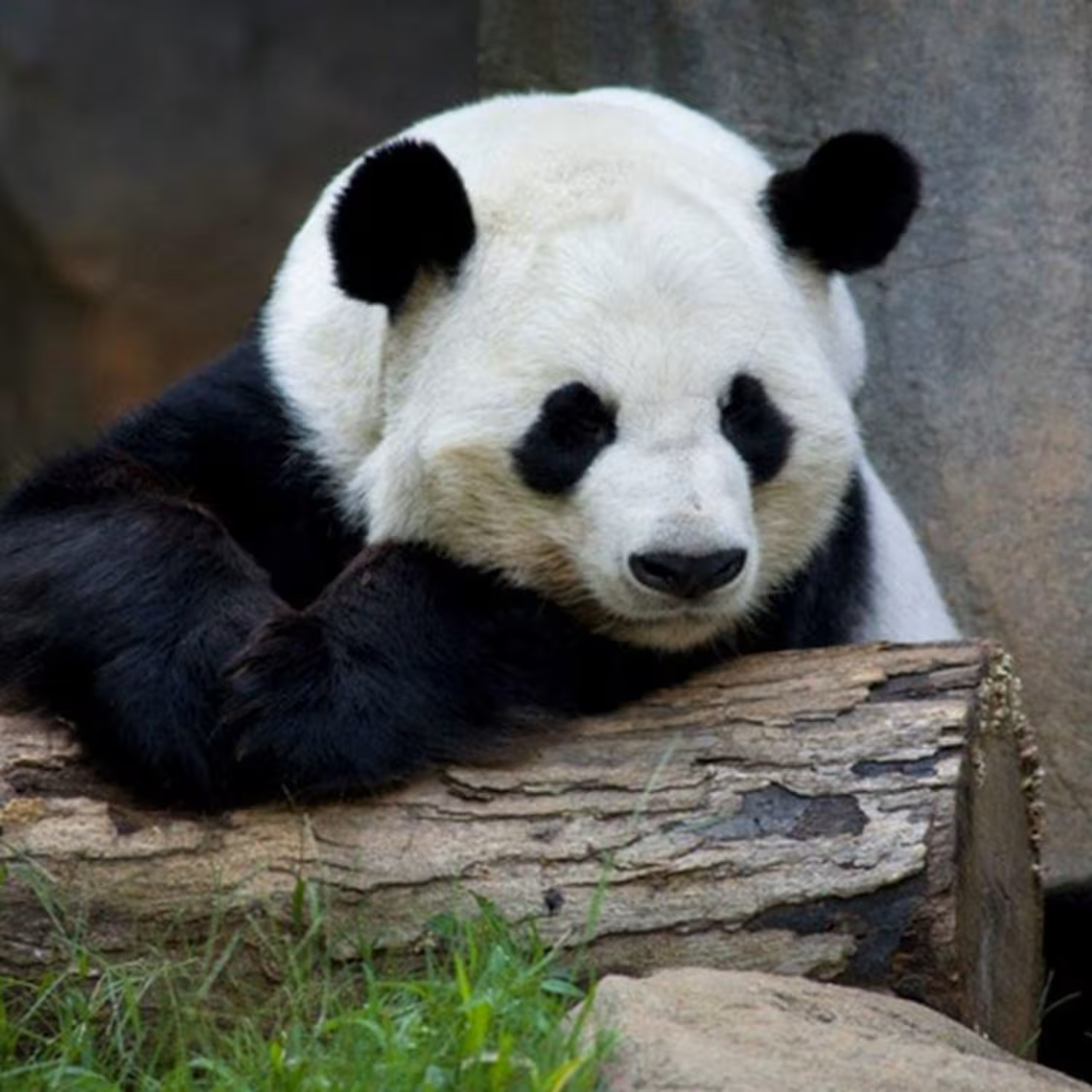
Giant pandas Ping Ping and Fu Shuang make their debut on November 6, 2026, in the new Arthur M. Blank Panda Grove.

Your visit helps fund the zoo’s work to protect wildlife.
Start at the Statue, Then Find His Family

Willie B.'s statue and the gorilla habitats of the Ford African Rain Forest are on the main route with our Zoo Atlanta tickets, so they need no extra booking. Stop at the bronze first, read how he spent his early years, then spend time at the habitats, where his descendants and the zoo's other troops live. If the daily schedule lists a gorilla feeding or keeper talk, plan around it. Back downtown, the Georgia Aquarium whale sharks make a good second story for the same trip.

About this guide

Sources: Atlanta History Center, Willie B. in Atlanta in 50 Objects; New Georgia Encyclopedia, Zoo Atlanta; Axios Atlanta, When the Atlanta zoo was a national disgrace; SaportaReport, Zoo Atlanta welcomes Willie B. III; Wikipedia, Willie B.

Frequently Asked Questions About Willie B. the Gorilla

Who was Willie B. the gorilla?

A western lowland gorilla who lived at the Atlanta zoo from 1961 to 2000. He became the city's most famous animal and a symbol of the zoo's transformation. A bronze statue of him stands at the zoo today.

Why was he called Willie B.?

He was named after William Berry Hartsfield, the former mayor of Atlanta. Hartsfield-Jackson Atlanta International Airport carries the same name.

How long did Willie B. live alone?

He spent 27 years alone in an indoor enclosure, with a television and a tire swing, before moving outdoors in 1988. The new habitats were part of the zoo's rebuilding after 1984.

When did Willie B. go outside for the first time?

On May 13, 1988, when he moved into the new Ford African Rain Forest. Nearly 25,000 people came to watch. It was his first time outside since 1961.

When did Willie B. die?

On February 2, 2000, of pneumonia and heart disease, at about 42 years old. Former mayor Andrew Young gave the eulogy at his memorial.

Did Willie B. have children?

Yes, five offspring: Kudzoo, Olympia, Sukari, Lulu and Willie B. Jr. His grandson Willie B. III was also born at Zoo Atlanta, the third generation to carry the name.

Where is the Willie B. statue?

Inside Zoo Atlanta, outside the gorilla habitat. The life-size bronze is by artist Ed Bogucki and holds most of his ashes, and it is one of the zoo's best-known photo spots.

Can you still see gorillas from Willie B.'s family at Zoo Atlanta?

His son Willie B. Jr. has led a troop at the zoo, and his grandson was born there. Troop make-up changes, so check before you go if you want to see a particular gorilla.

This website offers official tickets for the venues listed, sold by Tourism Tickets. Please note, however, that it is not the official website of any of these venues.

The images and videos on this website may contain visual elements that have been created or enhanced using AI technology. They are provided for illustrative purposes only.